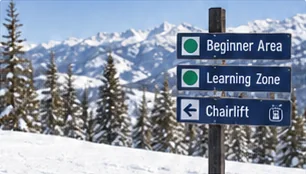
How to use a ski lift on a snowboard
Load, ride and unload chairlifts and surface lifts on a snowboard.
Beginner skills
Around the resort
To carry a snowboard to the lift, hold it upright at your side or under one arm with the bindings toward you, gloves on, and walk with short, flat-footed steps in your boots. Put it down with the bindings facing into the snow so it cannot slide, then strap in your front foot near the lift.
At a glance
Before this guide
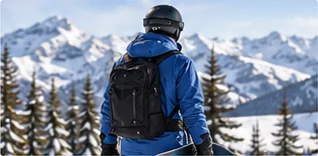
Board upright and close, short steps, and strap in only once you reach flat ground by the lift.
Most beginners carry the board from the rental shop, car or lodge to the lift, then strap in and skate the last few meters. A simple routine:
On the way, a few habits keep everyone safe:
Once you put the board down on snow, it can start to slide surprisingly quickly. Lay it flat with the bindings facing down into the snow so it grips, or keep a hand on it. The NSAA Your Responsibility Code used at many US ski areas states that you must prevent runaway equipment. Some resorts and riders also use a leash; see snowboard stomp pads and leashes.
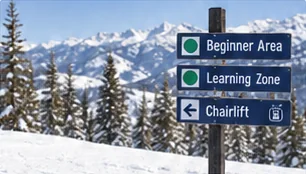
Keep the board upright and close so it cannot swing into anyone.
Whatever the distance, the main thing to get right is control. A board has metal edges, and bindings stick out from it. Swinging it round in a busy parking lot, bus line or base area can easily hit someone.
Avoid carrying the board flat across your shoulders in crowded areas. When you turn to talk to someone, the ends swing a long way. Wear your gloves while carrying, as edges can be sharp and the metal gets very cold.
Snowboard boots are stiff, so walk differently and decide whether to wear or carry them.
Snowboard boots are built to flex forward on the board, not to walk far, so walking in them feels clumsy at first. Some tips we find help:
Many riders put their snowboard boots on at their accommodation or car and walk in them. If you prefer to change at the resort, carry your boots in a boot bag or a backpack, or tie the laces together so they hang together rather than dangling loosely. Keep wet boots away from clean kit and dry them properly afterwards; see how to clean and dry snowboard boots.
If your bindings have highbacks that fold, check the binding manual for how the manufacturer recommends storing them for transport.
If you are carrying a board through an airport or loading it into a car, those are different jobs. See our guides to flying with board bags and roof racks and car transport.
Only use a pack designed to carry a board, and follow its instructions.
If you want to know how to carry a snowboard on a backpack, start with the pack itself. Some snowsports backpacks have dedicated straps or panels for carrying a board, often vertically against the back or diagonally across it. Everyday backpacks usually do not, and improvised straps can slip.
Hiking with a snowboard on your back is common in terrain parks and in the backcountry. Hiking a park feature is a separate skill with its own etiquette, and backcountry travel requires avalanche training, the right safety equipment and qualified partners or guides. Read our introduction to riding beyond the resort before you head outside the boundary.
Where you put your board down matters as much as how you carry it.
These habits are small, but they are part of being a considerate rider. Combined with good stopping control, they help keep everyone on the mountain safe. They also fit into our first-day learning path alongside strapping in and riding lifts.
Practice goals
Checking a box records your practice. Ask your instructor or lift staff if you are unsure.
Common questions
Do up the binding straps, hold the board upright at your side or under one arm with the bindings toward you, and walk to a flat spot near the lift entrance. Lay it down with the bindings facing into the snow so it cannot slide, strap in your front foot and skate into the line.
Take short, flatter steps, since stiff boots make it hard to roll from heel to toe, and use handrails on stairs and icy paths. If you loosen the top of the lacing for a long walk, re-tighten it before strapping in.
Use a backpack designed to carry a board and follow its manual, as carry positions and strap routing differ between packs. Make sure the board is secure before you move, and take care on lifts and in doorways because it sticks out above your head.
Either wear them to the resort or carry them in a boot bag or backpack. If you carry them loose, tie the laces together so they hang neatly and do not swing.
Lay it flat with the bindings facing down into the snow, or keep hold of it. A board left base-down can slide off on even a gentle slope, and many ski areas require you to prevent runaway equipment.
Up next
Load, ride and unload chairlifts and surface lifts on a snowboard.
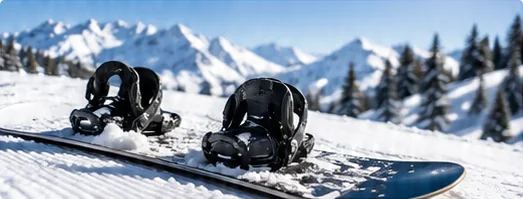
Fit a stomp pad and use a leash to keep your board under control.
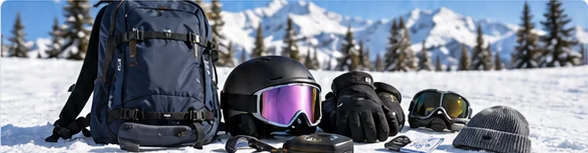
Everything you need to feel prepared for a great first day on snow.