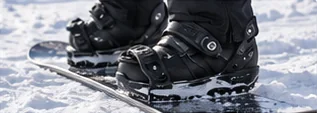
Snowboard boot repairs
Fix BOA dials, laces, liners and soles, or know when to get help.
Board care
Keep boots fresh
To clean snowboard boots, pull the liners and footbeds out, wipe the shell with a damp cloth, hand-wash the liners with room-temperature water (a little mild detergent only for stubborn stains), then air-dry every part completely. Drying after each session matters even more than washing.
Part of Snowboard boots
Tools and materials
Household items cover most boot care. Check your boot maker’s instructions before using any cleaning product.
For wiping dirt, grit and road salt off the shell and liner.
Only a little, and only for stubborn stains on the liners.
A room-temperature, well-ventilated place away from direct heat.
A low-heat type suited to snow boots, used as its instructions say.
Step by step overview
Take out liners and footbeds after riding.
Clean the shell; hand-wash liners with a wet cloth.
Dry every part away from strong direct heat.
Reassemble, fasten loosely, store cool and dry.
Separating the parts is the single most useful habit.
Sweat and melted snow get trapped between the liner and the shell, and they dry far more slowly if everything stays together. So the first step in cleaning and drying snowboard boots is to remove the snowboard boot liners:
Some liners aren’t designed to come out often. If yours are stiff to remove, check the manual before forcing them.
Your boot maker’s care instructions come first, because liners use different foams, fabrics and glues.
Burton’s liner page says you can hand-wash liners with a wet cloth and room-temperature water, add some mild laundry detergent for stubborn stains or heavy soiling, air-dry them thoroughly, and never put them in the washing machine or dryer. That applies when cleaning Burton snowboard boots; other brands may differ, so check their care guidance.
To clean the inside of snowboard boots, wipe the inner shell with a damp cloth while the liner is out, and wipe footbeds separately.
If your boots let water in, check whether the maker recommends a waterproofing treatment for the shell material. Use only a product they approve and follow its directions; a leak at a seam or sole may need a repair instead.
Damp liners feel cold the next morning, smell faster and break down sooner, so drying out snowboard boots properly every day is the core of boot care.
To dry snowboard boot liners overnight on a trip, stand them upright in the warmest airy spot in the room, not pressed against a heater. Strong heat can warp the foam and loosen glued seams, and it can undo a heat-molded fit; our guide to heat molding and breaking in liners explains why that fit is worth protecting.
Smelly snowboard boots nearly always come from liners that never fully dry between days. To keep snowboard boots from smelling:
If you want to deodorize snowboard boots with a spray or powder, check first that it’s suitable for your liner material, since some products can affect fabric or foam.
Boots that are cleaned and stored this way keep their fit longer; if they start to feel loose next season, go back to our boot fit checks. For the rest of your kit, see off-season board storage and washing jackets and pants.
Common questions
Not unless your boot maker says so. Burton advises hand-washing liners with a wet cloth and room-temperature water and never using a washing machine or dryer.
Take the liners and footbeds out and put everything somewhere warm and well ventilated, away from direct heat. A low-heat boot dryer made for snow boots can help. Don’t press them against radiators or fires.
Dry the liners completely after every session, wear clean socks, and hand-wash the liners when odor builds up. Check that any deodorizing product suits your liner material.
Fasten them loosely. That helps the boot keep its shape without leaving laces or BOA cables under heavy tension for months.
More board care
Fix BOA dials, laces, liners and soles, or know when to get help.
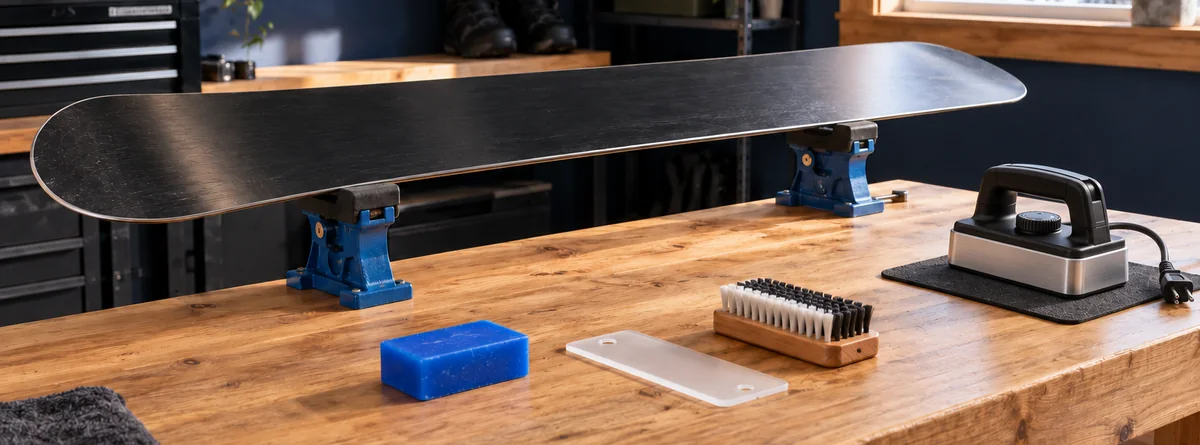
A simple routine to clean, check, wax and tune your snowboard.
Clean, dry, wax and store your board so it is ready next season.