How to sharpen and care for snowboard edges
Deburr, sharpen and detune your edges at home, or know when to use a shop.
Board care
Light rust at home, pitting at a shop
Most rust on snowboard edges is a thin orange film you can rub off with a gummy stone or steel wool in a few minutes. Here’s how to remove it, how to tell when the steel is pitted, and how to keep your edges from rusting again.
Part of Snowboard maintenance and repairs
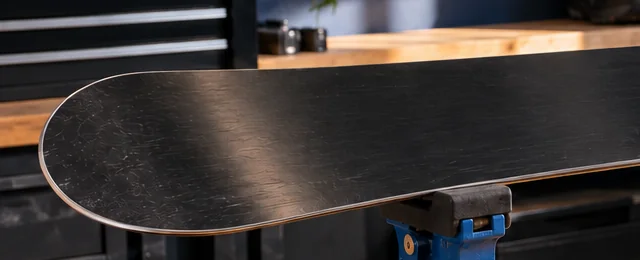
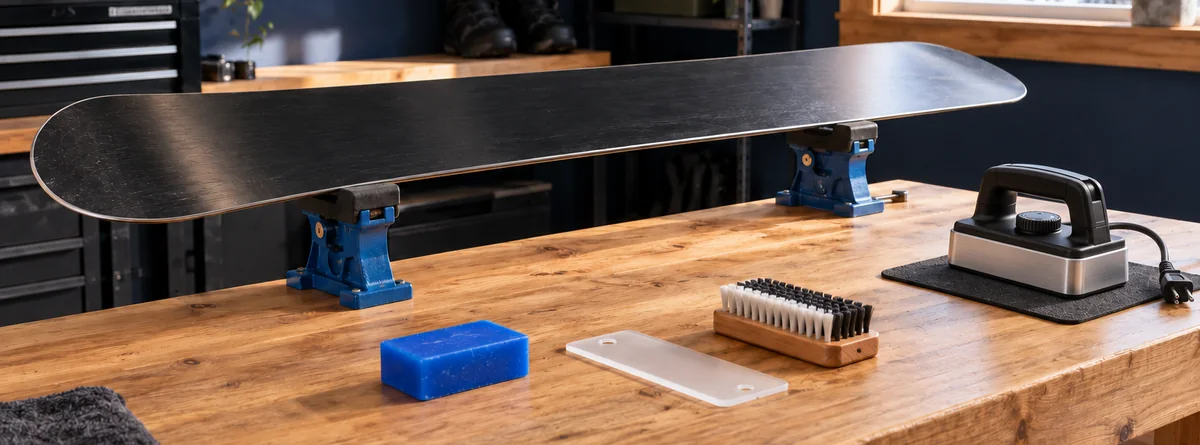
Tools and materials
Burton’s rust guide lists a similar kit. You won’t need everything for light rust.
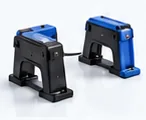
Hold the board on its side with the edge facing up so it can’t slip.
A rubbery abrasive block for light rust and polishing. Start here.
An alternative for surface rust. Keep it on the steel, off the base and topsheet.
Only for rust that a stone won’t shift. Set it to your board’s bevel.
Gloves for your hands, tape to mark spots, a cloth for grit, and wax to protect the steel.
Step by step overview
Let the board dry fully, then clamp it edge-up.
Tape beside the orange patches so you can find them again.
Rub nose to tail with light pressure until bare steel shows.
Clear the grit, then wax the edges to keep moisture off.
At a glance
Steel plus water plus time.
You can remove rust from snowboard edges at home in most cases: clamp the board, rub the rusty sections with a gummy stone or steel wool from nose to tail, wipe off the grit and wax the edges. The rest of this guide covers when that isn’t enough.
Burton’s guide to edge rust explains that the edges are steel, which contains iron, so they rust when they get wet. It names three common causes:
A few orange spots after a wet week are normal and not a sign the board is ruined.
Before you pick a tool, work out what kind of rust you have. Clean and dry the edge, then look closely in good light.
| What you see | What it usually means | What to do |
|---|---|---|
| Thin orange film or spots that wipe or rub off | Surface rust | Gummy stone or steel wool, then wax |
| Rough, dark spots that remain after stoning | Rust has started to eat into the steel | Light filing with a guide at your bevel, or a shop tune |
| Small pits or craters you can catch with a fingernail | Pitted edge | Shop: removing it takes off more steel |
| Rust with a crack, gap or lifting edge | Edge damage, not just rust | Stop and have it assessed |
If rust sits next to a crack or the steel is moving, read our guide to repairing damaged or cracked edges before you ride again.
Burton’s approach is to start with a gummy stone and move to a file only if needed. Filing works, but it removes steel and changes the edge, so treat it as sharpening, not cleaning:
Our edge sharpening walkthrough explains how to find your bevel and use a file guide safely. Tognar mentions using a small rotary sander on a guide to take off heavy rust before filing; that’s a technician-level technique, and we don’t suggest trying it on your own board without experience.
Drying is the single habit that matters most.
These habits are part of a simple routine; the board care and tuning hub shows how rust prevention fits with waxing and edge work through the season.
Burton’s advice is simple: when in doubt, take the board to a reputable snowboard shop and let them deal with the rust. We’d go straight to a technician if:
A shop tune can remove rust and reset the edges to the board’s spec in one visit.
Common questions
Rub the rusty sections with a gummy stone or steel wool from nose to tail with gentle pressure, wipe away the grit, then wax the edges. That’s enough for most surface rust.
Yes, on the steel edges. Burton lists steel wool or a metal cleaning pad as one way to remove edge rust. Keep it on the edge and off the base and topsheet, and wipe away the fibers and grit afterward.
Light surface rust is cosmetic and comes off easily. Rust that has pitted the steel is more serious because removing it takes off more edge, so have a shop look at it.
Dry the board and edges with a towel after every day, don’t leave it in a wet bag, and wax it before storage so the edges are coated too. Store it somewhere cool and dry.
Only if they feel dull or burred. Removing light rust with a stone doesn’t usually require sharpening. If you do sharpen, use your board’s own bevel spec.
More board care
Deburr, sharpen and detune your edges at home, or know when to use a shop.
Clean, dry, wax and store your board so it is ready next season.
A simple routine to clean, check, wax and tune your snowboard.