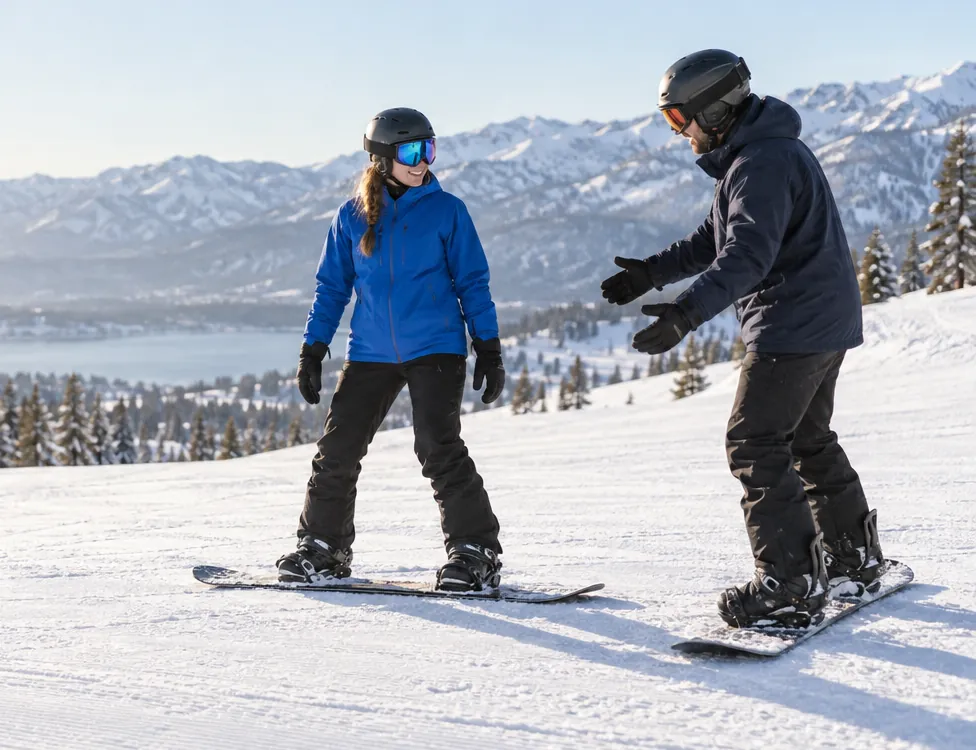
How long does it take to learn?
What one day covers, what speeds progress and the milestones to aim for.
Beginner skills
Choose your sport
How hard is it to snowboard? The first day or two are genuinely tough for most people, with plenty of falls, but it usually gets easier once you can stop and link turns. Here is what makes it hard, how it compares with skiing and how to make learning easier.
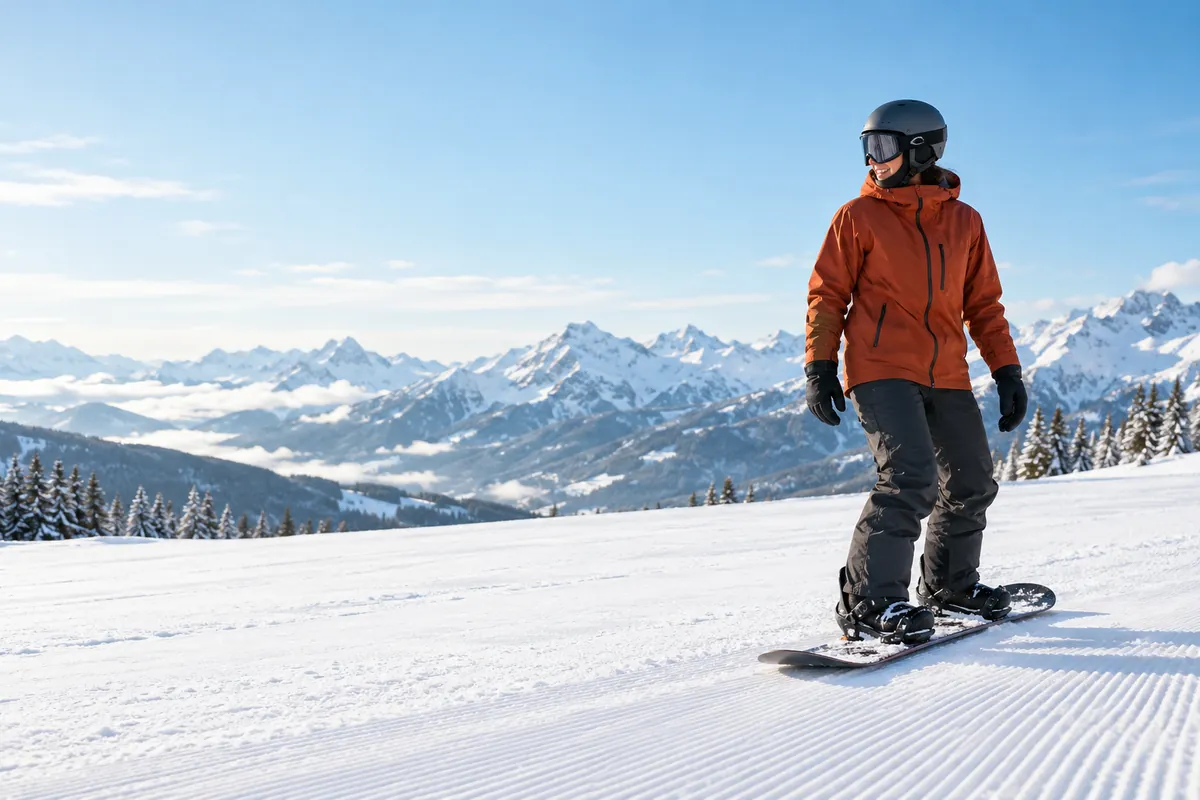
At a glance
Hard at the very start, then usually much more rewarding.
Snowboarding is hard at first. Most beginners find their first time on a snowboard tiring and humbling: both feet are fixed to one board, you stand sideways to the slope, and you steer by tilting the board onto its heel or toe edge. None of that feels natural on day one, so expect to spend a lot of time sitting or kneeling in the snow.
The good news is that the hardest part tends to come early. Once you can stop reliably on both edges and link your first turns, many riders say things start to “click”. How long that takes varies widely, and we won’t pretend there’s a standard number of days; our guide to realistic learning timelines explains the milestones instead.
Both feel awkward at first, but the difficulty sits in different places.
Nobody finds day one completely easy on skis or a board. The difference is where the struggle shows up. This table sums up the pattern many beginners describe; treat it as a general tendency, not a rule.
| Snowboarding | Skiing | |
|---|---|---|
| Body position | Sideways, both feet on one board | Facing downhill, legs move independently |
| First hours | Often feels awkward, with frequent falls | Often feels more like walking at first |
| Main early challenge | Balancing on one edge and stopping | Keeping two skis from crossing and managing speed |
| Boots | Softer, allow ankle movement | Stiffer, with less ankle movement |
| Later progress | Often speeds up once linking turns clicks | Refining technique on varied terrain takes sustained work |
So is it harder to learn to ski or snowboard? For many people skiing feels less alien in the first hours, while snowboarding asks for more patience at the start. Your balance, fitness, confidence, the snow and, above all, the quality of your instruction will shape your experience far more than the sport you pick.
Past experience helps, but it doesn’t replace beginner basics.
If you know how to ski, can you snowboard? You still need to learn snowboarding from the beginning, but skiers have a lot going for them: comfort with snow, lifts and speed, the ability to read a run, and good slope manners. What doesn’t transfer is the sideways stance and controlling one board with both feet. Expect to relearn stopping and turning, and book a beginner lesson rather than heading to terrain you would happily ski.
It works the other way too. If you snowboard and want to learn to ski, your mountain sense helps, but managing two independent skis is a new skill that deserves proper instruction. And no, you don’t need to know how to ski before you snowboard.
If you know how to skateboard, can you snowboard? Skateboarding, surfing and wakeboarding build a sideways stance and a feel for balancing on a board, which many people find helpful. The differences are real, though: you can’t step off a snowboard, your feet are fixed in bindings and control comes from tilting onto the edges. Board-sport experience is a head start, not a shortcut.
Whatever your background, confirm which foot you lead with before your first lesson. Our guide to working out regular or goofy shows you how.
The right kit and a qualified instructor make either sport easier.
For a first try, most people rent rather than buy. Whichever sport you pick, comfortable, well-fitting boots matter most. Our breakdown of what a snowboard rental package includes explains what to check at the shop.
A lesson is the single best way to make either sport easier. PSIA-AASI, the US professional snowsports instructors’ organization, calls taking a lesson “the safer, faster, more efficient, and more fun way” to learn, and its learn-to-ski-or-snowboard page links to a directory of member schools. Our guide to booking a beginner snowboard lesson covers what to compare.
The rest of your kit is the same for both sports: a helmet, goggles, waterproof gloves and layered clothing. See what to wear on the mountain.
There is no wrong answer, only the one that suits you.
If you are torn, these pointers help you decide:
Practice goals
Checking a box records your planning. Your instructor will guide your progress on the snow.
Common questions
Most people find their first time on a snowboard challenging and fall often while learning to balance on one edge. A lesson on gentle beginner terrain, well-fitting boots and a helmet make that first day much more manageable.
Many people find skiing feels more natural in the first hours because your legs move independently and you face downhill. Snowboarding often asks for more patience at the start. It varies by person, and good instruction matters more than the sport.
Skiers usually have a head start with lifts, reading the slope and feeling at home on snow. The sideways stance and edge control are still new, so begin with a beginner snowboard lesson rather than harder terrain.
Skateboarding and surfing experience often helps with the sideways stance and balance. On a snowboard your feet are fixed in bindings and you steer by tilting onto the edges, so you still need to learn the basics.
Adults learn to snowboard all the time. Expect a learning curve, warm up, take regular breaks and wear a helmet. A few lessons in a row with a qualified instructor is the most reliable way to progress safely.
Up next
What one day covers, what speeds progress and the milestones to aim for.
Find a good place to learn nearby and compare lessons before booking.
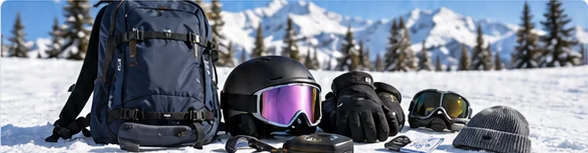
Everything you need to feel prepared for a great first day on snow.