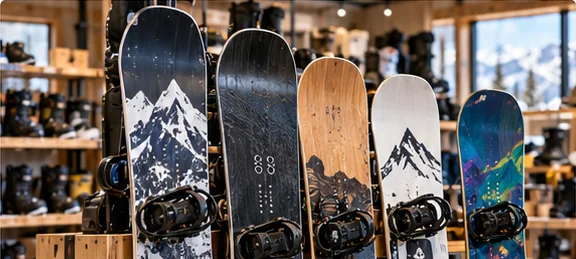
How to buy a used snowboard
Check a second-hand board’s model, condition and fit before buying.
Gear guide
Reuse first, recycle last
To dispose of a snowboard responsibly, repair it, sell it or pass it on while it is still safe to ride, and only then look for a local recycling route that genuinely accepts it. Keeping a board in use is usually the greenest option.
Part of Choosing a snowboard
At a glance
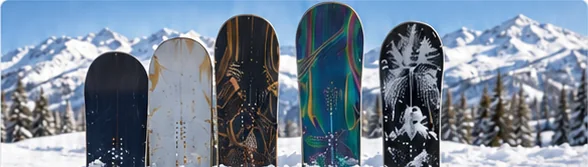
Sort your equipment into ready to use, needs work, and end of life.
Before you work out how to dispose of a snowboard responsibly, check whether it really has reached the end of its life. The US Environmental Protection Agency’s Reduce, Reuse, Recycle guidance puts reducing and reusing ahead of recycling, and that order works well for snowboard gear too.
Our second-hand condition checklist covers what to look for. Check bindings, boots and clothing separately: a board that is finished may still have bindings that someone else can use.
Do not pass on a helmet that has taken a significant impact or that you are unsure about. Follow the helmet maker’s guidance on replacement. Bindings with cracked baseplates, highbacks or ratchets should not be sold or donated for riding either.
Keeping your own equipment in use for longer is the simplest way to reduce what you throw away. Many common problems are repairable:
Regular care also helps equipment last. See snowboard maintenance and how to store a snowboard. If a board no longer suits your riding but is still in good shape, you can also give it new life with a different setup or a new look. See customizing a snowboard.
Be honest about condition, and make sure the gear is safe to use.
Local marketplaces, ski and snowboard swaps, and shops that sell used gear are all options. Some manufacturers and shops run trade-in or used-gear programs, but what they accept, and where, changes, so check their current terms before you rely on one.
Schools, youth clubs, adaptive sports programs and community groups sometimes accept usable snowboard gear. Contact them first to ask what they need and can store, rather than dropping equipment off unannounced. Outgrown kids’ gear is often especially useful. See sizing a snowboard for kids.
Snowboards are made from several materials bonded together, such as a core, fiberglass, plastic base and topsheet, and steel edges. That makes them harder to recycle than single-material items, and whether a board can be recycled depends on what is available where you live.
If there is no genuine recycling route near you, a board that cannot be reused may have to go into general waste. Some people upcycle old boards into shelves, benches or wall displays, which keeps them in use a little longer.
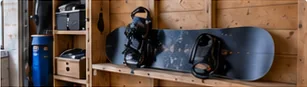
Look for specific, checkable claims rather than vague green language.
When you buy new gear or choose a recycling service, you will see environmental claims. In the US, the Federal Trade Commission’s Green Guides tell businesses how to make environmental claims without misleading people. They are a useful checklist for shoppers too:
A quick test for any snowboard, wax or clothing claim: could you explain to a friend exactly what is better about this product? If not, the claim is too vague to rely on. If a claim is not specific or you cannot check it, treat it with caution. The most reliable choice is often to buy equipment that fits you and suits your riding, look after it, and keep it in use for as long as it stays safe. Our guide to picking a board that suits you can help you buy once and ride it for years.
Common questions
First check whether it can be repaired, sold or donated. If it really is at the end of its life, remove the bindings and hardware and ask your local council, local shops or the manufacturer about recycling options where you live.
Clean it, identify the model and length, photograph it clearly, describe its condition honestly and price it by comparing recent listings for similar boards in your area. Include all binding hardware if bindings are part of the sale.
It depends on where you live. Snowboards combine several bonded materials, so they cannot usually go in household recycling. Ask your local waste authority, local shops and the manufacturer what options exist near you.
Look for specific claims you can check, such as which part contains recycled material and what percentage. The FTC’s Green Guides say broad terms like “eco-friendly” should not be used without qualification, so treat vague labels with caution.
If it is still safe to ride, sell it, trade it in or donate it to a group that can use it. If not, check local recycling options, or reuse it as a shelf or display before putting it in general waste.
Related guides
Check a second-hand board’s model, condition and fit before buying.
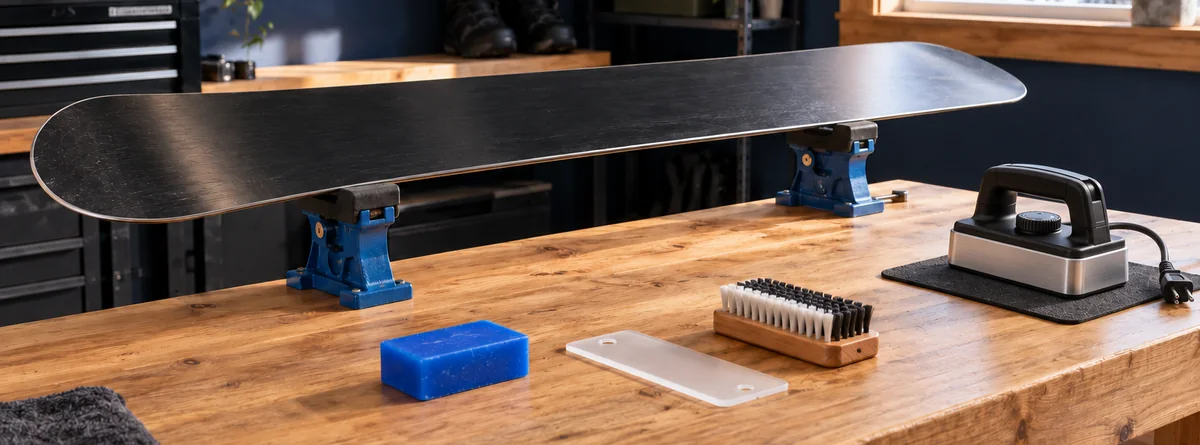
A simple routine to clean, check, wax and tune your snowboard.
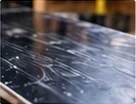
Judge base damage, fill small gouges with P-Tex and know when to use a shop.