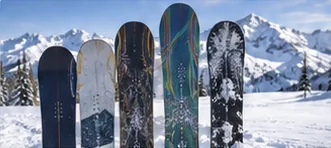
How to size a snowboard for kids
Size a child’s board from the model chart, weight and boots.
Beginner skills
For parents
To teach kids to snowboard, book a children’s lesson with a trained instructor, make sure their boots and board fit, and keep your own practice sessions short, warm and playful on the gentlest terrain. How young they can start depends on the child and on the resort’s own rules.
At a glance
There’s no single right age; each resort sets its own rules.
If you’re working out how to teach your kid to snowboard, the first question is usually how young they can start. There is no universal minimum age. Children develop strength, balance and attention at different rates, and resorts and ski schools set their own minimum ages for snowboard lessons, kids’ programs and rentals. Those rules can differ from ski lessons at the same resort and change between seasons.
Before you plan a trip, check the resort’s website or call its ski and ride school to find out:
Readiness matters as much as age. A child who can follow simple instructions, stays reasonably happy in the cold and wants to try will enjoy it more than one who is being pushed. And there is no upper age limit: adults can start at any stage, as our guide to how long learning takes at any age explains.
For the youngest kids, the goal is fun on flat snow, not technique.
Parents often ask how to teach a toddler, or a 2-, 3- or 4-year-old, to snowboard. At that age, time on snow is mostly play: standing on the board, sliding a few feet on the flat, and getting used to boots and a helmet. Keep it very short and stop while they’re still smiling.
With 5- and 6-year-olds, many parents find short, structured games start to work better, but every child is different. Let their interest set the pace.
Gear that fits makes a huge difference to a child’s first day.
Equipment that’s too big is one of the most common reasons children struggle. It’s tempting to buy boots to grow into, but loose boots make the board much harder to control.
Renting is a sensible way to start while children grow quickly. If you’re considering heat molding boots, only do it according to the boot maker’s instructions, and ask the shop whether it suits children’s boots.
Keep it short, playful and on the gentlest terrain.
Children tire and lose focus faster than adults, and a tired child falls more. Short sessions that end on a high keep them wanting more.
Cold, wet, hungry children don’t learn; comfortable ones do.
Children often don’t say they’re cold until they’re miserable, so check on them.
For other weather decisions, see picking good conditions for a ride.
Children’s instructors focus on how kids learn.
Even if you ride well, a children’s lesson is usually the best way for kids to learn. Instructors trained to teach children turn skills into games, choose safe terrain and keep groups motivated, and kids often listen more closely to an instructor than to a parent.
When you ride together, stay on terrain they can manage and teach them the NSAA Your Responsibility Code, which says to “stop only where you are visible from above” and to “look uphill and avoid others before starting downhill”. Helping a teen or adult instead? See supporting an older beginner.
Practice goals
Checking a box records your preparation. Leave assessment of your child’s progress to their instructor.
Ticks aren’t saved yet. to remember them in this browser.
Common questions
There is no universal minimum age. Resorts and ski schools set their own age rules for snowboard lessons, kids’ programs and rentals, so check with the resort you plan to visit. A child’s readiness and interest matter as much as age.
Book a children’s lesson with a trained instructor, make sure boots and board fit, and keep your own sessions short and playful on the gentlest terrain. Plan warm-up breaks and practice what the instructor taught.
Some very young children enjoy standing and sliding on a small board on flat snow. Keep it short and fun, never pull them onto a slope, and check whether the resort offers lessons for their age.
Rules on unaccompanied children, including lift use, are set by each resort. Check the resort’s own policies, and only let a child ride without you once they can stop, turn and follow slope rules reliably.
There is no upper age limit. Adults of any age can learn, ideally with lessons from a qualified instructor and at a pace that suits their fitness.
Up next
Size a child’s board from the model chart, weight and boots.
Find a good place to learn nearby and compare lessons before booking.
Layer up to stay warm, dry and comfortable all day.